mn
mn  ru
ru 
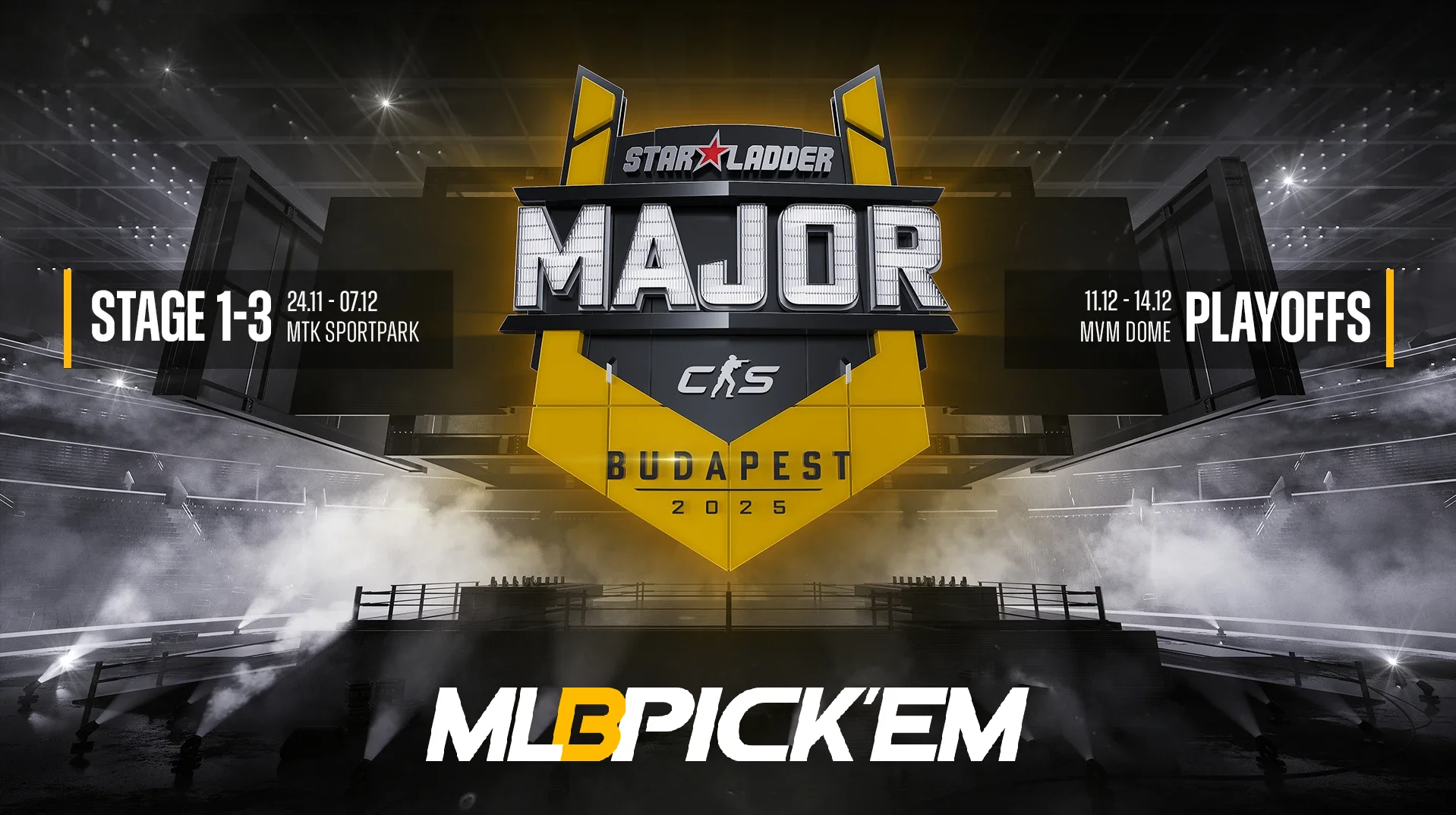
Valve Cancels CS2 Major Qualifiers Ahead of Budapest 2025
On June 11, it was officially announced that Valve has canceled the regional qualifiers (MRQ) for the StarLadder Budapest Major 2025 in Counter-Strike 2. Instead of the traditional open qualifier system, all 32 teams will now be directly invited based on the global Valve Regional Standings (VRS). The decision immediately sparked widespread discussion across the community. In this article, I’ll break down why Valve made this move, how it will impact the competitive CS2 esports scene, and what players, teams, and fans should expect going forward.
What Just Happened?
The news came out of nowhere. Everything seemed set: the Major was scheduled, the MRQ format was announced, and the dates were locked in. But on June 11, without much fanfare, Valve quietly confirmed via the StarLadder website that the CS2 Major qualifiers were officially canceled. Just like that — gone. In their place, teams will qualify for the Budapest Major solely through the VRS ranking. I sat there with my coffee, read it once, then again. Thought it was fake. But it wasn’t a joke.
“At this stage, we believe that a separate Major qualification process is unnecessary and disruptive. We have decided to cancel the Fall MRQ 2025. Instead, the 32 teams participating in the Budapest Major will be directly invited based on VRS rankings,” Valve stated in their official release.
For the Tier-2 scene, it’s a punch to the gut. Teams that were still holding onto the dream of qualifying now find themselves cut off from the biggest tournament of the year. There’s only one path left: grind VRS points, hope for an invite, and wait for October 8. Which means no more fairytales, no more unknown rosters breaking through. Just rankings. Just pure grind.
VRS vs MRQ: What’s the Real Difference?
In 2025, the competitive Counter-Strike 2 (CS2) scene changed dramatically. Valve introduced two systems simultaneously — Valve Regional Standings (VRS) and Major Regional Qualifiers (MRQ). Both became part of the new qualification path to CS2 Majors, but each was built on a fundamentally different philosophy. Now that MRQ has been canceled and the only way to reach the Budapest Major 2025 is through the VRS ranking system, it’s the perfect moment to break down what these systems were — and why each had its strengths and weaknesses.
What is VRS — Valve Regional Standings
The VRS system was introduced in January 2025 and has since become Valve’s primary tool for evaluating teams. It is the official CS2 team ranking system, based on results from certified tournaments. Teams earn points by competing in large and mid-tier events included in the VRS circuit. The list of eligible tournaments is published by Valve in advance. The higher the level of the event and the stronger the opponents, the more valuable the points.
VRS divides teams into three regions: Europe, Americas, and Asia, with rankings updated monthly. These standings will be the basis for direct invitations to Budapest Major 2025, which will take place from November 24 to December 14.
Advantages of the VRS Ranking System
- A consistent and transparent regional ranking of teams;
- Rewards season-long stability and performance;
- Makes it possible to predict invitations in advance;
- Eliminates randomness and upsets in qualifiers;
- Simplifies Major organization — no need for separate qualifying events.
Disadvantages of VRS
- No open access — new teams can’t “break through” the system;
- Limited opportunities for teams from weaker regions;
- A single poor tournament can ruin an entire season;
- Advantages tilt toward well-funded orgs with access to Tier-1 events;
- Rankings don’t always reflect a team’s current form.
What is MRQ — Major Regional Qualifiers
MRQ was introduced as an alternative to RMR and was first implemented in March 2025, ahead of the Austin Major. These were online qualifiers held separately for three regions: Asia, Americas, and Europe. Valve aimed to make the path to the CS2 Major faster and more accessible, especially for smaller teams and emerging players.
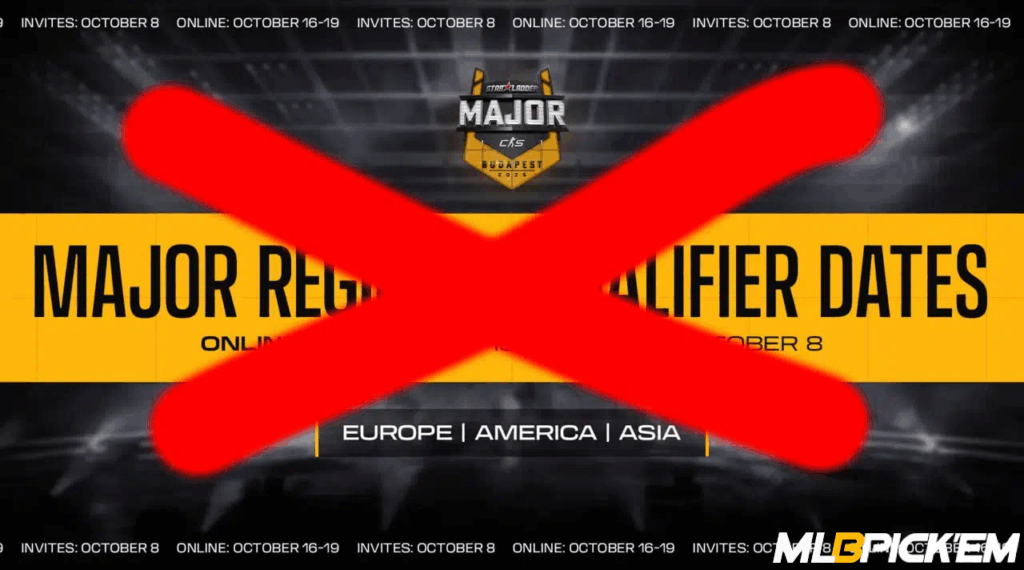
The Fall MRQ was initially scheduled for October 16–19, but it was canceled due to scheduling conflicts with other tournaments and Valve’s decision to fully transition to VRS-based invitations.

Advantages of the MRQ System
- Offers a real chance for young and Tier-2 teams to qualify for a CS2 Major;
- Open registration — almost anyone could participate;
- High-pressure, fast-paced format — every match truly matters;
- Online tournaments reduce travel costs for teams;
- Transparent process: win and you qualify.
Disadvantages of MRQ
- Online-only format introduces risks: technical issues, DDoS attacks, potential cheating;
- Weaker quality control over matches and organizers;
- Underdog teams may qualify despite lack of consistency or proven performance;
- Top-tier teams can be eliminated due to a single mistake;
- Difficult to fit into an already packed CS2 season schedule.
Why Valve Removed MRQ for CS2 Majors
The decision to eliminate Major Regional Qualifiers (MRQ) in favor of the Valve Regional Standings (VRS) was not made overnight. It was the result of a range of factors — both technical and strategic. While Valve’s official communication on the matter was fairly neutral, the underlying message is clear: it’s about shifting control, redistributing resources, and redefining priorities within the Counter-Strike 2 competitive ecosystem.
Analysts point to the following potential reasons behind the MRQ cancellation:
- Scheduling conflicts with major international tournaments: CS Asia Championships, MESA Nomadic Masters, and Thunderpick World Championship;
- Desire to unify tournament structure across the season and make formats more predictable;
- Increased control by Valve over the CS2 competitive landscape, including the Major qualification path;
- Reduction of logistical risks tied to online qualifiers (technical failures, cheating, server issues);
- Focus on efficiency — saving time and budget for both Valve and participating teams;
- Lack of viewer interest in MRQ compared to LAN events;
- Simplified season planning for top-tier teams and tournament partners;
- Strengthening the prestige of VRS as the definitive qualification system;
- Valve’s push for long-term consistency over short-lived breakthroughs;
- Lack of global standards among regional MRQ organizers.
A close reading of the official StarLadder release, published on behalf of Valve, reveals a strong focus on long-term strategy. The developers are not just scrapping qualifiers — they’re moving toward a model where the entire competitive structure revolves around one unified ranking system.
“One of the goals of the VRS system is to standardize community tournaments so they can be integrated with Majors. We want to streamline the transition from the regular season to major events.”
On paper, it all sounds logical and well-structured. But with MRQ gone, the CS2 esports scene loses something essential — accessibility for teams outside the system. Those so-called “newcomers” who once had a shot to break through now face a closed door. The only remaining path is rankings, consistency, and a season-long race for points.
Winners and Losers of Valve’s CS2 Major Changes
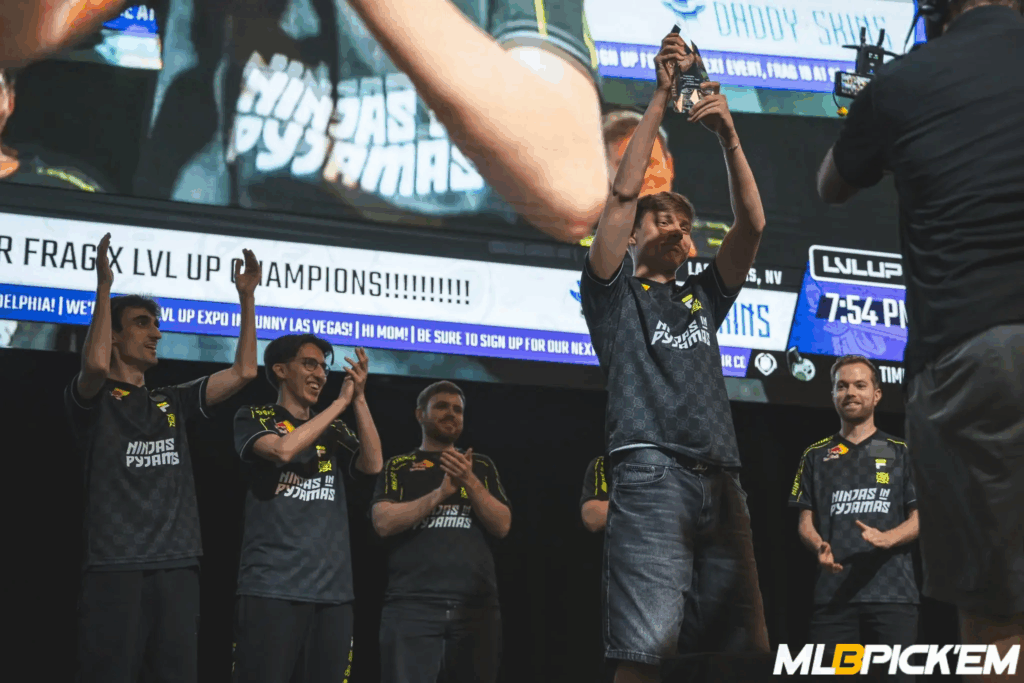
The clear beneficiaries of the new format are the stable Tier-1 organizations—clubs with infrastructure, resources, and guaranteed access to major tournaments. For them, the VRS system offers a reliable path: no need to worry about random losses in qualifiers or surprises from unknown underdogs. They simply follow their regular competitive schedule, accumulate points, and all but secure an invite to the next CS2 Major. For top-tier teams, it’s a system built for simplicity and predictability.
On the other hand, those who once had a real shot at making noise through MRQ have now been sidelined. Young rosters, independent mixes, and Tier-2 or Tier-3 organizations have lost their direct path to the Major stage. The VRS system requires consistent participation in certified events, but without initial invites, newcomers simply can’t get in. It creates a closed loop where the chance to even get a chance practically disappears. And this is precisely the area of the scene that’s been hit hardest—the part that once gave us breakthrough stories like Copenhagen Flames or Imperial.
Risks and Challenges After Valve’s MRQ Removal: What Could Go Wrong with the VRS System?
At first glance, the shift from MRQ to VRS seems logical: less chaos, more structure, and clearly defined rules. But any new system brings not only opportunities but also significant risks—especially in esports, where the scene thrives on emotion, moments, and unexpected stories. And here, the warning signs are already starting to show:
- The disappearance of underdogs and surprise breakout runs that once made Majors so unpredictable;
- Regional imbalance, particularly in Asia and South America, where there are fewer VRS tournaments;
- A narrowing path to top-tier events, especially for young rosters without invitations;
- Oversaturation of the Tier-1 scene, with the same teams playing nonstop throughout the season;
- Declining engagement from local fan bases whose regional teams don’t even make it to qualifiers.
These risks haven’t fully materialized yet—but it’s likely just a matter of time. If there’s no functional way for new teams to break into the system, the scene may begin to lose its momentum. And the CS2 Majors might lose the very magic that once made them can’t-miss events—from the first match to the grand final.
What’s Next for CS2 Majors? Key Dates, VRS Invites, and the Road Beyond MRQ
At this point, everything comes down to one date: October 8, 2025. That’s when StarLadder is set to officially announce the slot distribution and the full list of invited teams for the Budapest Major. Until then, there’s no confirmed information—just the VRS rankings and pure speculation. The entire CS2 competitive scene seems to be holding its breath, waiting to see how Valve will deal the cards.
By the way, while everyone is debating the system and arguing over fairness, the MelBet Pick’em is still running a free Pick’em Challenge for the Austin Major. It’s a chance to test your instincts and follow the tournament with real engagement. What happens in Austin will directly affect Budapest—and, by extension, the rest of the 2025 CS2 esports season.
When One Door Closes in CS2, Another Might Not Open
Now, all that’s left is to wait. The Budapest Major is getting closer, and it feels like we’re standing at the edge of something completely new. Valve closed one door—removing open qualifiers. In return, they gave us a table, a ranking, a formula. Is it rational? Yes. Is it the right move? Too early to say.
I’m not here to judge whether VRS is the future or a step away from the raw spirit of competition. But one thing is certain: come October, we’ll see just how much the scene has changed. And at that point, there will be no pretending that everything stayed the same.
Read also: