mn
mn  ru
ru 
CS2 Roles in Team Explained
In Counter-Strike 2, simply being a good shot isn’t enough. Every player on a professional team plays a role in the overall structure. This is what separates consistent victories from random, lucky rounds. CS2 roles form the foundation of teamplay, and in this MelBet Pick’em guide, we’ll explore all CS2 team roles. We’ll cover attack and defense, player interaction, and practical principles. We’ll also outline the roles of the most popular CS2 players, so make sure to read to the end!
What Are the Roles in CS2 and Why They Matter
Roles in CS2 are functional tasks that each player performs as part of a team strategy. If you’ve played other games, you’ve probably encountered titles with fixed classes. In Counter-Strike 2, roles aren’t defined by the system, but that doesn’t mean they can be forgotten.
Each player takes on a specific task. Some are the first to enter the bombsite, some control key areas of the map, some make decisions during the round, and some provide grenade support. When all these tasks are properly assigned, the team has certain significant advantages:
- Each player knows what is expected of them in each round.
- The number of chaotic mistakes and unnecessary risks is reduced.
- Decisions are made faster and more confidently.
This is especially important for professional esports players. For them, playing without assigned CS2 player roles is a surefire way to lose.
However, casual players who want to play more mindfully and win more often should also be aware of CS2 team roles. This is especially true for those playing in parties.
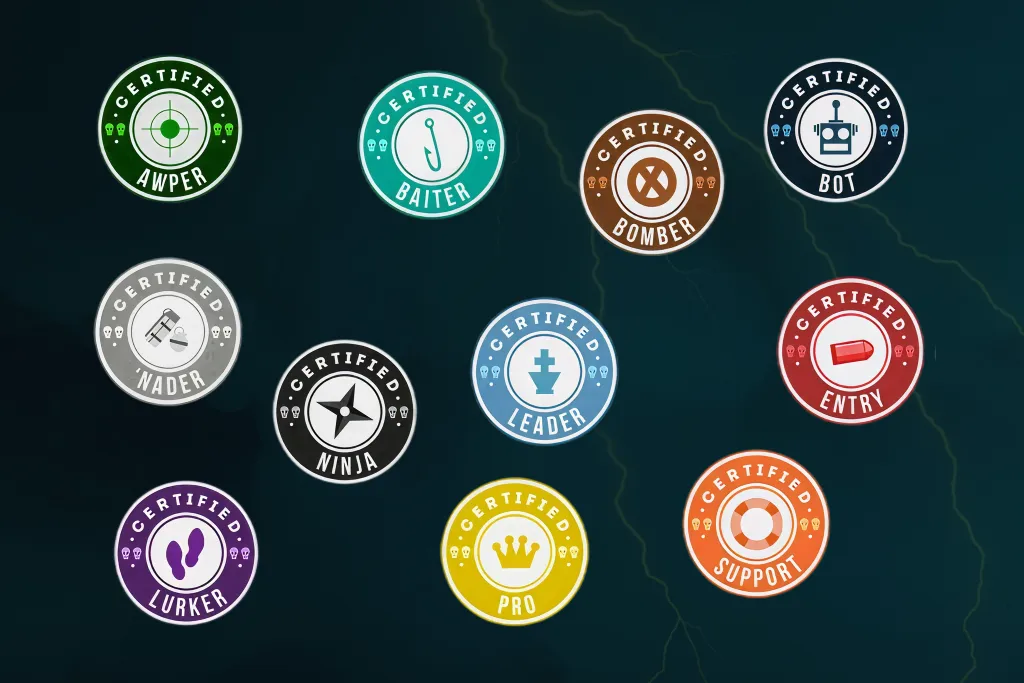
All Core CS2 Team Roles Explained
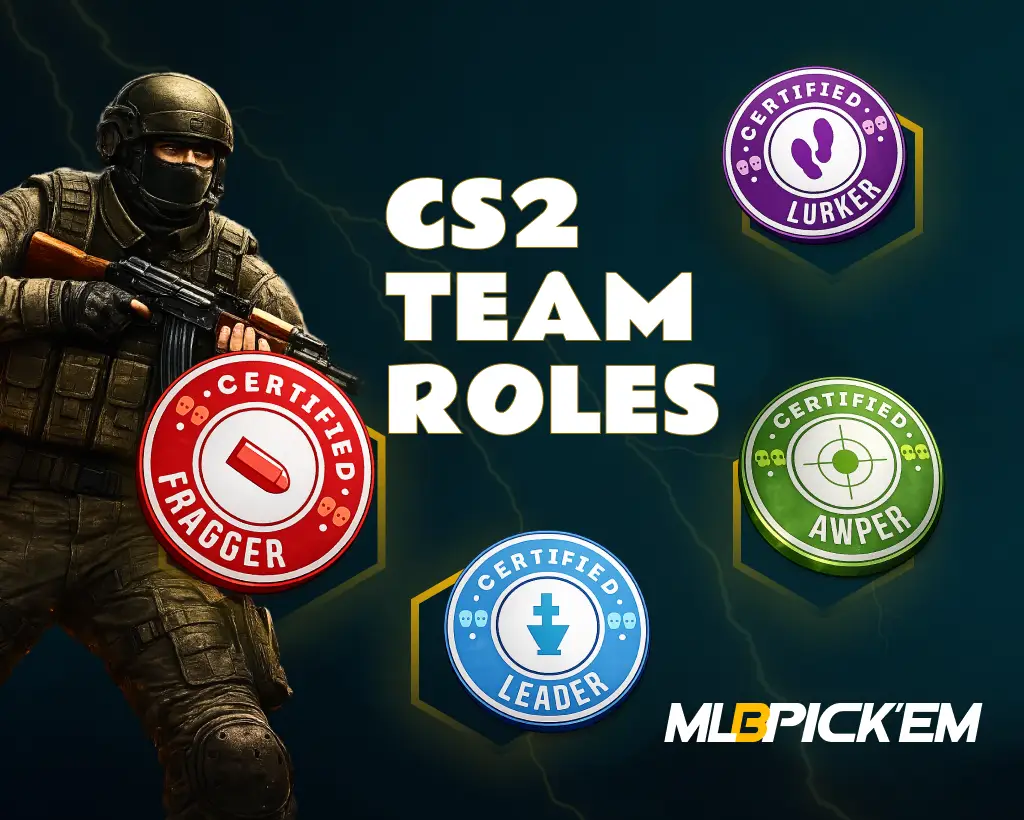
While there are no fixed roles in the game, over more than two decades, ever since the first Counter-Strike, certain roles have evolved in practice. First, it’s worth discussing the CS2 main team roles. Their number equals the number of players, or five. This CS2 role list applies at all levels of play – from casual matches to professional tournaments.
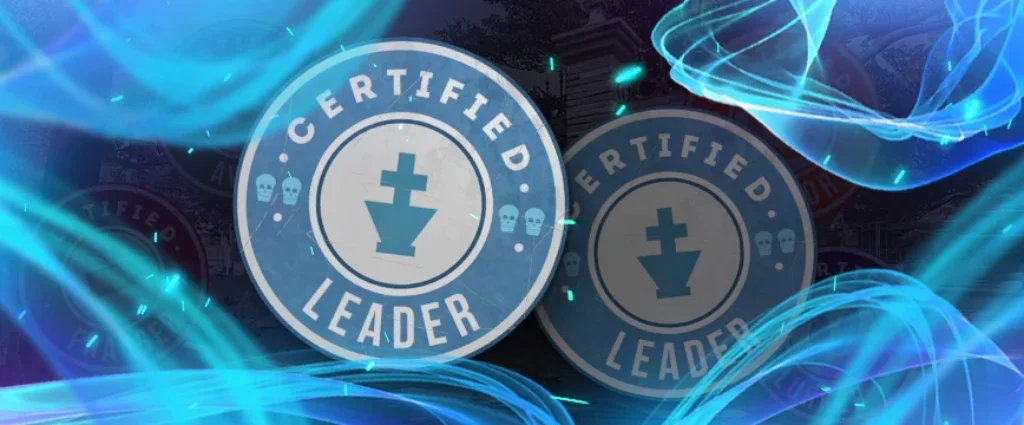
In-Game Leader (IGL)
The CS2 IGL is the player responsible for strategy and overall round management. Their role isn’t limited to making initial calls, as the In-Game Leader role includes managing the economy, reading the opponent, and constantly adapting the plan as the game progresses.
It is the player with this role who sets the pace of the round and distributes responsibility among the players, especially in situations where the initial plan fails. Based on this, the main responsibilities of the CS2 IGL role can be described as follows:
- Determining the pace and direction of attack or defense.
- Managing the team’s economy.
- Adjusting strategy after initial contact.
- Distribution of roles and positions among players.
On the T-side, the IGL formulates the exit plan and reacts to received information. On the CT-side, they manage rotations and risk levels. A good In-Game Leader is half the team’s success, as they are capable of winning rounds even when the team is behind in firepower.
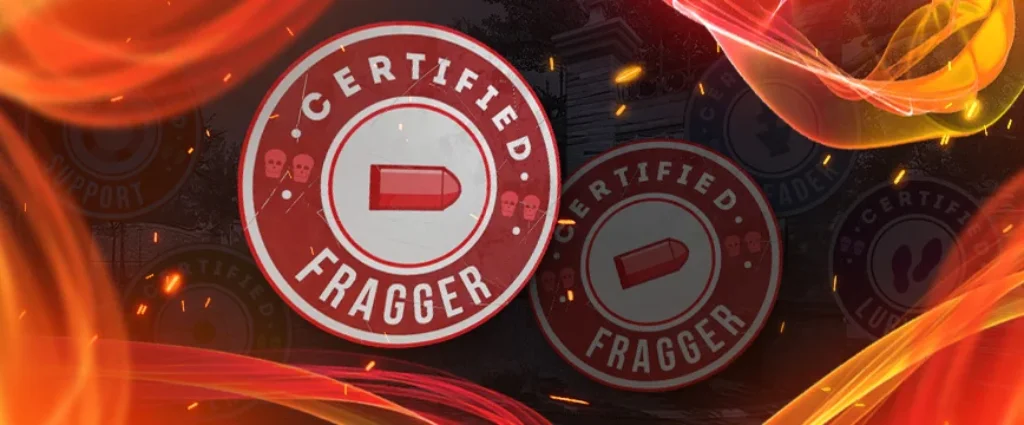
Entry Fragger
The next role is the CS2 Entry Fragger. This is the name given to the player who is the first to receive contact when entering a bombsite. The CS2 Entry role is built around creating space and gathering information, rather than focusing on personal statistics.
A player with this CS2 team role forces defenders to duel and force them to open up their positions. Their actions allow the team to quickly assess the situation and, ideally, make the right decision. Based on this, the responsibilities of a good Entry Fragger can be described as follows:
- Open up the bombsite and check dangerous positions.
- Draw the defense’s attention.
- Convey information about the opponent’s positioning to the team.
- Ensure the most profitable trade.
This CS2 team role is associated with high risk and requires confidence, precise timing, and an understanding of team dynamics. Even a one-on-one trade is often considered successful, provided it allows the team to gain zone control.
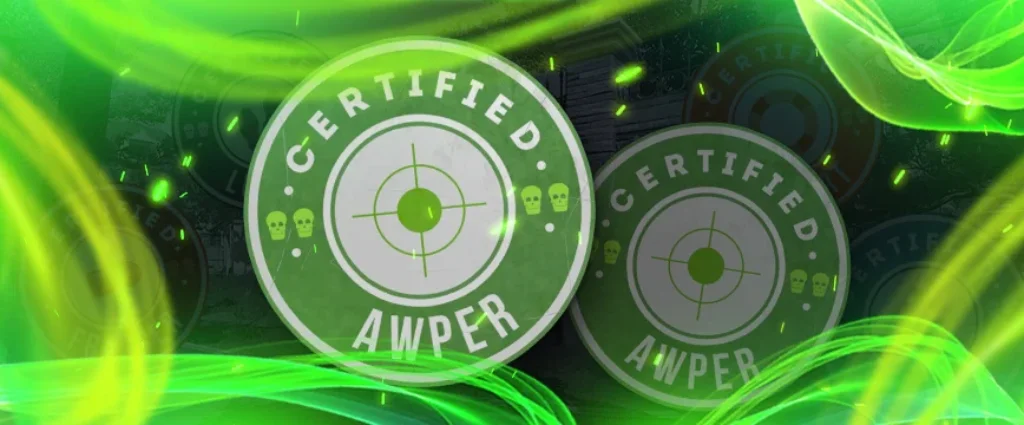
AWPer
A CS2 AWPer is a player who controls the most important lanes of the map with a sniper rifle. This is typically an AWP, but in low-budget rounds, a player with this role can actively use the SSG 08 or even rifles. This role relies heavily on positional play and the ability to punish opponents’ mistakes.
The AWPer creates a constant threat on the map. On some maps, they can influence the opponent’s decisions even before the first contact. The presence of the AWP role CS2 on a team forces the opponent to waste utility and change routes. Therefore, its function can be described as follows:
- Controlling long distances and choke points.
- Gaining an early advantage through opening picks.
- Containing aggressive enemy pushes.
- Holding bombsites and key areas of the map.
The AWPer significantly influences the tempo of the game. Mistakes in this role are costly for the team, and the positional discipline of a player with this role is more important than excessive aggression.
Lurker
The term Lurker is used to describe a player who operates separately from the rest of the team. This role focuses on map control, reading timings, and monitoring opponent rotations. The CS2 Lurking role doesn’t involve constant engagement, but focuses on creating pressure and exploiting opponents’ mistakes.
The Lurker, in most cases, takes their time. They rarely initiate early contact. Their value becomes apparent towards the middle and end of a round, when the opponent loses control of their positions or makes rotational errors. The Lurker’s responsibilities are as follows:
- Gathering information outside the main attack line.
- Intercepting rotations and flanks.
- Creating pressure in the late stages of a round.
- Assisting in post-plants and clutches.
This CS2 team role requires patience. A Lurker’s mistake often goes unnoticed, but a successful move can decide a round without the entire team directly engaging.
Support Player
CS2 Support role is the functional foundation of teamplay. The description “Works for the overall result, sacrificing personal stats for structure and stability” almost always applies to the CS2 Support player more than any other role.
Support creates the conditions in which other roles can perform their tasks effectively. Their contribution is demonstrated not by numbers, but by the quality of exits, trades, and holding positions. Therefore, the CS2 Support’s responsibilities include:
- Using grenades for exits and defense.
- Trades after Entry Fraggers.
- Controlling the economy and weapon drops.
- Assisting in holding sites and retaking enemy targets.
Support is rarely visible in statistics, and it would seem that this player doesn’t bring much value. But, those who have ever played with a good player on the CS2 Support role know that it is this role that makes the work of everyone else possible.
Secondary Roles in CS2
In addition to the five main roles, there are also secondary CS2 roles. They are created to complement the basic structure of the team. These CS2 team roles are not permanently assigned to a player and depend on certain factors such as the map, economy, faction, and the overall round plan. They are often situational and can change each round.
Unlike all CS2 roles described above, secondary roles do not form the basis of the team, but rather strengthen it in specific conditions. Their use often allows a team to adapt to the opponent’s style and cover weak areas of the map.
The main secondary roles in CS2 include:
- Anchor: a key defensive function on the CT-side. The CS2 anchor role is built around holding the bombsite, slowing the opponent’s advance, and relaying information for rotations. The main thing to know is that the anchor role CS2 is focused on survival and space control, not aggressive frag hunting.
- Secondary AWPer: takes the AWP in select rounds to enhance map control or support the primary sniper.
- Star Rifler: Obtains priority positions, better timing, and resources due to their high individual firepower and ability to decide key moments of the round;
- Rotator: A player who actively switches positions on the CT-side based on early information. He must cover vulnerable areas of the map and strengthen the plant before the opponent begins a full attack.
CS2 Roles on T-Side vs. CT-Side
In Counter-Strike 2, player roles are independent of the side (T or CT). However, their tasks still differ in the game for each side.
Typically, when playing on the T-side, roles are initiative-oriented. Players need to create space, take risks, and so on. Meanwhile, the CT-side requires a focus on holding positions, gathering information, and controlling the tempo of the round.
Because of this, the same role can look different even if the player remains in the same position. For example, an Entry Fragger on the attack is responsible for opening the bombsite and making initial contact. On defense, the same player can act as an aggressive rifler, gathering information or slowing the opponent’s advance.
We’ve attempted to summarize the responsibilities of each role on the T- and CT-side in this table:
| Role | T Side | CT Side |
|---|---|---|
| IGL | Sets the round plan and adapts on the fly | Manages rotations and risk |
| Entry Fragger | Enters first and takes duels | Plays aggressive for info |
| AWPer | Looks for the opening pick | Controls key sightlines |
| Lurker | Punishes rotations and timings | Watches flanks |
| Support | Provides utility and trades | Helps hold sites and retake |
| Anchor | Rarely used | Holds the site and buys time |
How to Choose the Right Role in CS2
Choosing the right role in CS2 always starts with self-assessment. You shouldn’t choose a role based on what’s trendy or what roles your favorite professional players have.
You need to look at your stats and what you excel at compared to others. Your shooting consistency, decision-making style, patience, and willingness to communicate are all factors that determine which role you will be most useful in.
There is no universally best CS2 role. All roles are important in their own way, and you should choose the one that best suits you. If you’re wondering, “Which CS2 role should I play?”, our step-by-step guide to choosing a role in CS2 based on your strengths can help:
- If you have stable aim and confidently win duels, the Entry Fragger or Star Rifler will suit you.
- If you have a good sense of timing and prefer to play based on information, consider the Lurker role.
- If you’re comfortable playing positionally and controlling distance, an AWPer is a logical choice.
- If you’re confident using nades and frequently trade teammates, a Support Player might be a good fit.
- If you’re good at reading the game, making calm decisions, and willing to take responsibility, you might want to try the most important CS2 role: In-Game Leader (IGL).
Examples of CS2 Pro Player Roles
The most interesting part is the CS2 roles of professional players. They are usually fixed, but there is still some flexibility depending on the economy, the map, and, most importantly, the opponent’s style.
This flexibility often distinguishes professional CS2 teams from regular rosters, where roles are often taken too literally. In pro play, it’s not the player’s formal role that matters, but rather their function in a given round. An AWPer can easily play with a rifle, a lurker can connect with the exit, and an IGL can take aggressive positions to gather information. The main thing is that the overall team structure is maintained, allowing for quick decisions and maintaining control of the game.
| Player | Team | Primary Role |
|---|---|---|
| karrigan | FaZe | In-Game Leader (IGL) |
| bLitz | The MongolZ | In-Game Leader (IGL) |
| m0NESY | Team Falcons | AWPer |
| ZywOo | Vitality | AWPer / Rifler |
| ropz | Vitality | Lurker |
| NiKo | Team Falcons | Entry Fragger |
| donk | Spirit | Entry Fragger |
| Magisk | Astralis | Rifler |
| FalleN | Furia | In-Game Leader (IGL) |
| Brollan | MOUZ | In-Game Leader (IGL) |
| Aleksib | NAVI | In-Game Leader (IGL) |
| malbsMd | G2 Esports | Entry Fragger |
Final Thoughts on CS2 Roles and Team Play
We hope our CS2 roles explained helped you better understand how teamplay works in Counter-Strike. Now you probably know better than most players why CS2 player roles are so important. We hope you choose the role that suits you best. It doesn’t necessarily have to be an IGL. Look at what you do best. This is the most important factor, as a role should help you leverage your strengths, not force you to struggle with an uncomfortable playstyle!
FAQ
There’s no fixed number of roles in Counter-Strike 2. However, if we consider those that have emerged in practice, five main ones are used: IGL, Entry Fragger, AWPer, Lurker, and Support.
First and foremost, it’s important to understand that it’s not the specific role that has the greatest impact, but rather the proper execution of its function. However, when it comes to pro players, the IGL and AWPer roles are most often highlighted. These two roles influence decision-making and the pace of the round more than any other. However, their effectiveness always depends on the support of their team.
For beginners, the roles of Support or Rifler are best suited. These two roles allow them to learn maps, timings, and teamwork without the constant pressure of initial encounters. The understanding of the game gained from practicing these roles can later be transferred to more complex roles.
Everything depends on the economy, the map, and the chosen strategy. It’s very common for a team to perform better without a sniper rifle. This is especially noticeable in fast or force rounds.
Read also: